

July 30, 2026
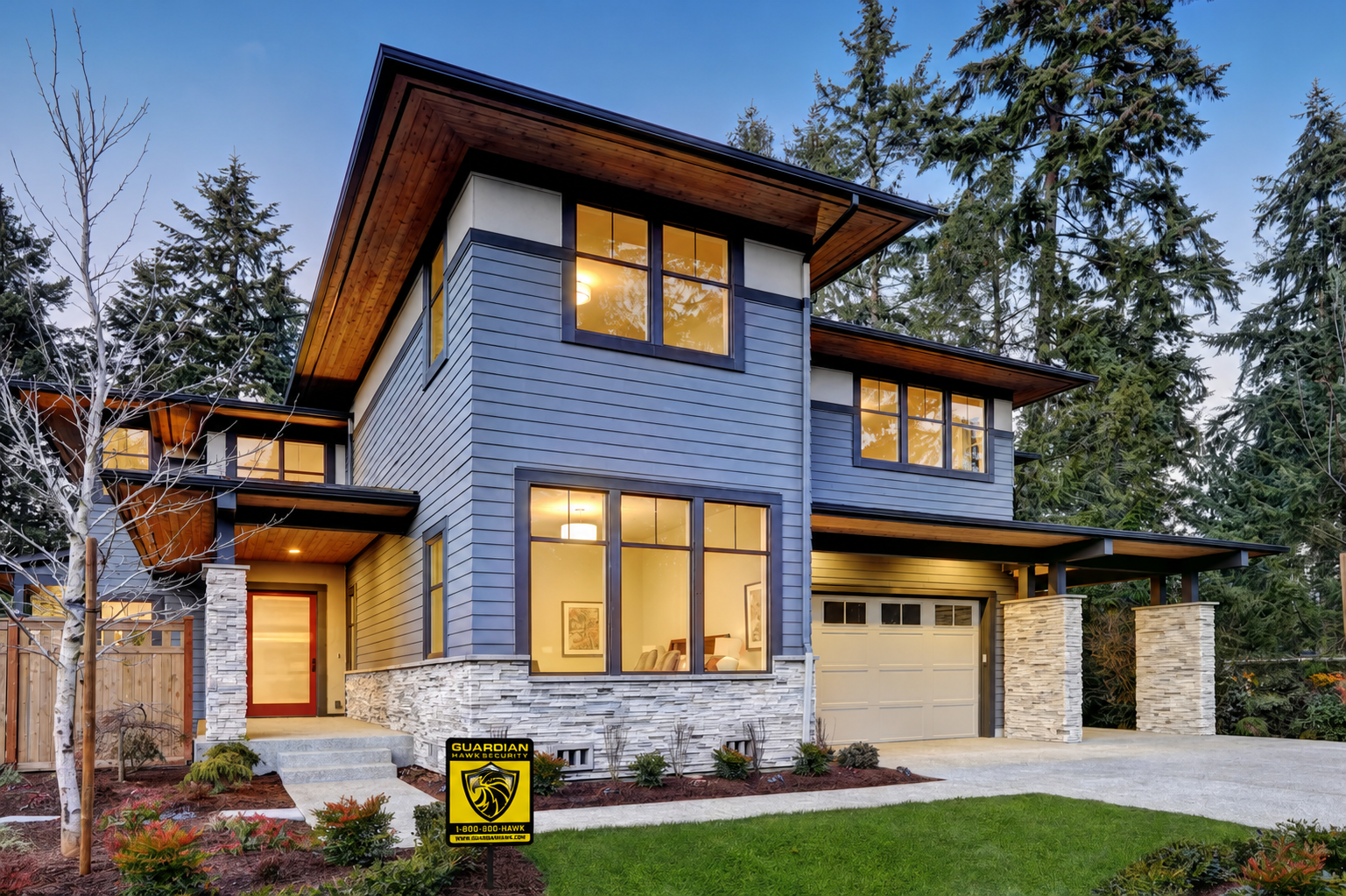
You notice the sign before you reach the front door. It sits near the walkway, clean and easy to read. A camera watches the porch. The entryway is well lit. The door looks solid and cared for.
That first impression matters.
Home security yard signs can help make a property look less inviting to someone searching for an easy opportunity. A sign tells visitors that the home may have an alarm, cameras, monitoring, or other safeguards. It creates uncertainty for an intruder before anyone touches a gate, window, or door.
The sign still has limits. It cannot detect movement. It cannot sound an alarm. It cannot record a face or contact a monitoring center. Its job is to announce that protection may be present. The security system behind it does the real work.
This guide explains what research says about visible security, how real and fake signs differ, where to place signs and decals, and which common mistakes weaken their value. You will also learn how signage fits into a broader home security plan for your family.
Guardian Hawk has protected Florida homes and businesses for over 90 years. That experience has taught us something simple. Strong security rarely depends on one device. It comes from several practical layers working together.
Do Home Security Yard Signs Really Deter Burglars.
A visible security sign can influence how someone views your home. It suggests that entering the property may carry more risk, take more time, or draw attention. That can matter when an opportunistic intruder is comparing several possible targets.
Burglary does not follow one predictable pattern. Some people plan before approaching a home. Others make a quick decision based on what they see from the road or sidewalk. The same sign will not affect every person in the same way.
That is why it is more accurate to call a yard sign a deterrent than a defense.
A deterrent tries to discourage an attempt. A defense helps detect, delay, document, or respond to one. Signs, visible cameras, exterior lighting, maintained landscaping, and locked gates can all influence target selection. Alarms, sensors, monitoring, and strong locks become important if someone continues.
Consider two homes on the same street.
The first home has an overgrown walkway, a dark entrance, an open side gate, and no visible signs of security. The second has clear sightlines, a security sign near the driveway, a camera at the front door, and lighting around the entry.
No single feature makes either home immune from crime. The second home simply presents more uncertainty and more possible consequences. Someone seeking privacy and easy access may decide that another property looks easier.
Home security yard signs work best when the rest of the property supports their message. A bright sign beside a broken gate and a dark porch sends mixed signals. A clean sign supported by visible security equipment feels more credible.
Use the sign to communicate one clear idea. Your property is protected, monitored, and maintained.
What Burglary Research Tells Homeowners.
Research cannot promise what one individual will do. It can show which conditions burglars commonly consider while choosing a target.
A University of North Carolina at Charlotte research team surveyed 422 incarcerated burglars from North Carolina, Kentucky, and Ohio. The researchers examined motivation, target selection, planning, entry methods, and deterrence.
The findings offer useful context for homeowners.
- About 41 percent of respondents described burglaries as spur of the moment events.
- Most respondents considered indicators of increased security while selecting a target.
- Those indicators included alarm signs, alarms, dogs, outdoor cameras, and other surveillance equipment.
- About 60 percent said the presence of an alarm would cause them to seek another target.
- Most would try to determine whether an alarm was present before attempting a burglary.
You can review the full UNC Charlotte burglar decision study for the research methods and complete findings.
These results do not prove that a sign alone stops burglary. They show that visible signs of increased security enter the decision process. That is an important distinction.
The same study found that many respondents entered through open or forced doors and windows. That point brings the issue back to everyday habits. A yard sign may create hesitation, but an unlocked door can remove it.
Another study from the Rutgers University School of Criminal Justice examined five years of police data in Newark, New Jersey. Researchers reported that installed burglar alarms made homes less attractive to intruders. They also found that neighborhoods with more alarms experienced fewer residential burglaries than neighborhoods with fewer alarms.
The Rutgers alarm system study summary focuses on working alarm systems, not signs alone. That strengthens the practical lesson. The warning outside should reflect real protection inside.
What the research means for your home.
You do not need to turn your property into a fortress. You need to remove easy opportunities and make your security visible enough to affect a quick decision.
Start with these steps.
- Close and lock doors, windows, and gates.
- Keep the main approach to your home visible.
- Display an authentic security sign where visitors can see it.
- Add decals at likely entry points.
- Use lighting around doors, walkways, and secluded areas.
- Support the visible warning with sensors, cameras, and monitoring.
- Review the property after dark to find missed areas.
These layers serve different purposes. The sign communicates risk. Locks and gates slow entry. Cameras document activity. Sensors detect a breach. Professional monitoring helps begin a response.
Suggested graphic. A layered home security diagram showing deterrence, delay, detection, documentation, and response.
Real Signs and Fake Signs Are Not Equal.
A generic sign can be inexpensive. It can also create the appearance that you have taken some security precautions. That appearance may be enough to make an impulsive trespasser pause.
The weakness becomes clear when the sign is the only visible safeguard.
A fake sign cannot confirm that a door is locked. It cannot alert you when a sensor opens. It cannot show who is standing at the front door. It cannot request assistance. If someone tests the warning, there is nothing behind it.
There are three common approaches to security signage.
An authentic provider sign.
This sign represents the company that installed or monitors your system. It should match the decals and security equipment around the property.
Guardian Hawk security packages include a yard sign and stickers with the installed equipment. This gives homeowners a consistent message across the property. You can review the current Guardian Hawk security packages to see how signage fits with sensors, monitoring, cameras, and connected controls.
A generic security warning.
A generic sign may state that cameras, alarms, or monitoring are in use without naming a provider. This option can be appropriate when it accurately describes the protection on the property.
Accuracy still matters. A camera warning should reflect actual cameras. An alarm warning should reflect a working alarm. Honest signs help visitors understand the property rules without making claims the home cannot support.
A sign copied from a provider you do not use.
Using another company’s branding can misrepresent the system protecting the property. It can also create a mismatch between the sign, decals, equipment, and actual response process.
Experienced intruders are not all technical experts. You should not assume that every person can identify your equipment or bypass it. You should also avoid building your security strategy around the hope that a logo will fool someone.
Use signage that reflects what you truly have. Then make sure the equipment works.
Replace old provider signs.
Remove outdated signs and decals after changing security companies. Mixed branding can confuse family members, guests, technicians, and emergency contacts. It also makes the property look less maintained.
The clearest approach is one provider, one current message, and one system that your household understands.
Where to Place Security Signs and Decals.
Placement determines whether a sign can do its job. A high quality sign hidden behind a hedge has little practical value. The message must appear before someone reaches a vulnerable entry point.
Walk around your home as if you were visiting for the first time. Start at the street. Follow the driveway and main walkway. Check the side gate, backyard, patio, garage, and any alley or water access. Notice where landscaping blocks the view.
Then review each location below.
Place the main sign near the front approach.
The front yard is the primary location for most homes. Position the sign where it can be seen from the driveway, sidewalk, or common approach.
Keep it close enough to the entry route that visitors will notice it. Do not push it so far toward the street that it leaves your property or enters a public right of way. Property boundaries and neighborhood rules differ, so confirm the appropriate location before installing it.
A practical placement usually has these qualities.
- The sign faces approaching foot and vehicle traffic.
- Landscaping does not block the sign.
- The sign sits at a readable height.
- Exterior lighting or reflective material supports nighttime visibility.
- The stake is secure and upright.
- Lawn equipment can move around it safely.
Avoid placing the sign directly behind a parked vehicle, mailbox, decorative wall, or seasonal plant. Check the view at different times because cars, shadows, and landscaping can change what people see.
Cover side gates and secondary paths.
Side yards often offer more privacy than a front walkway. A gate may lead toward a garage door, patio, utility room, or rear entrance. If people can approach that area without seeing the front sign, add a second warning near the gate.
Place the sign where it becomes visible before the person opens or climbs the gate. Pair it with a strong lock, good lighting, and a sensor or camera when appropriate.
Do not cover every few feet with signs. Too many warnings can look like clutter. One clear sign at each meaningful approach usually communicates more than several small signs placed without a plan.
Address rear and waterfront access.
Many Florida homes have rear patios, screened enclosures, canal access, detached structures, or backyard gates. Those areas may not be visible from the street.
If a person can enter from the rear or side without passing the main sign, consider another sign near that boundary. Keep it visible from the approach while respecting property lines and community rules.
A rear sign matters most when it supports something real, such as a locked gate, door sensor, motion activated light, or camera covering the access route.
Use window decals at likely entry points.
Window security decals reinforce the message closer to the structure. Place them where a person considering entry can see them without covering the household’s view.
Useful locations include.
- The front door near eye level.
- A glass panel beside the front door.
- First floor windows near locks or latches.
- Sliding patio doors.
- Garage entry doors.
- Basement or lower level windows when present.
- Windows partly screened by fences or landscaping.
One decal does not need to dominate the glass. It should be easy to notice and read. Keep it clean and replace it if the adhesive fails or the printing fades.
Review visibility after dark.
A sign that works at noon may disappear at night. Walk the property after sunset and view it from the normal approach.
Look for these problems.
- The sign falls outside the reach of exterior lighting.
- Headlight glare makes the printing difficult to read.
- Plants cast shadows across the sign.
- A light points into the camera and weakens the recorded image.
- The sign blends into a fence, wall, or dark landscaping.
Reflective materials can improve visibility, but they still need a useful angle. A light source must reach the surface and reflect toward the viewer. Test the real placement instead of relying on the product label.
Consider Florida weather and landscaping.
South and Central Florida properties face strong sunlight, heavy rain, wind, salt air in coastal areas, and fast growing landscaping. These conditions can change a good installation.
Check the sign after storms. Straighten the stake. Remove dirt. Trim plants that cover the message. Watch for fading, cracks, rust, peeling layers, or loose hardware.
During hurricane preparation, follow local guidance and secure or remove outdoor items that could become windborne. Reinstall the sign when conditions are safe.
Confirm community and property rules.
Homeowner associations and local communities may set standards for the size, number, and location of outdoor signs. Rules differ between communities.
Review your association documents or contact the property manager before installing several signs. Keep signage on property you control. If you rent, confirm the placement with the property owner.
This simple check can prevent a useful security feature from becoming a neighborhood dispute.
Suggested graphic. A top down property diagram marking the front approach, driveway, side gate, rear entrance, patio door, and first floor window decal locations.
How to Choose and Maintain a Quality Sign.
A security sign spends every day outside. Material, printing, hardware, and maintenance affect how long it remains credible.
Choose a sign that is easy to read from the intended approach. The provider name or warning should stand out without requiring someone to walk onto the property. High contrast colors and simple wording usually work better than a crowded design.
Look for these practical qualities.
- Outdoor rated material.
- Printing designed to resist ultraviolet exposure.
- Weather resistant surfaces.
- Reflective or high contrast details for low light.
- A galvanized or corrosion resistant stake.
- Rounded or finished edges.
- Secure attachment points.
Corrugated plastic is light and practical for many yards. Metal signs can provide longer service when the coating and hardware suit the environment. The right choice depends on the location, exposure, soil, and community requirements.
Inspect the sign during routine yard work. Wipe away dirt. Make sure it stands straight. Confirm that grass and shrubs have not grown around it. Replace a sign when the message becomes difficult to read.
There is no universal replacement schedule. Sun exposure, storms, irrigation, and material quality all affect wear. Use the condition of the sign as your guide.
A faded or leaning sign may suggest neglect. A clean sign supports the message that the home and its security receive regular attention.
Common Yard Sign Mistakes.
Most signage problems are simple. That makes them easy to correct.
Hiding the sign in landscaping.
Some homeowners place a sign behind flowers or shrubs because they do not want it to affect the yard’s appearance. That defeats its purpose.
Move the sign to a clear sightline. Keep enough space around it for the complete message to remain visible.
Relying on one viewing angle.
A sign may face drivers but remain invisible to pedestrians. Another may face the front walkway while people usually approach from the driveway.
Stand at each common entry route and check the view. Adjust the angle or add one carefully placed secondary sign when the property has separate approaches.
Ignoring nighttime conditions.
Darkness, glare, and shadow can hide a sign. Review the placement at night. Improve lighting or choose a more visible location if needed.
Do not aim bright lighting in a way that blinds cameras or neighbors. The goal is useful visibility.
Leaving damaged signs in place.
Cracks, stains, leaning stakes, peeling decals, and faded printing reduce clarity. Replace damaged materials instead of waiting until the message disappears.
Displaying old and new providers.
Mixed signs create confusion. Remove old provider branding after the current system is installed and confirmed.
Making the warning inaccurate.
Do not claim that cameras cover an area when they do not. Do not claim monitoring when the system is inactive. An accurate sign supports a real plan. An inaccurate sign creates false confidence.
Forgetting doors and windows.
A sign cannot compensate for an unlocked side door, an open garage, or a window hidden by dense shrubs. Use a regular closing routine.
Before leaving home or going to bed.
- Close and lock exterior doors.
- Check first floor windows.
- Close the garage door.
- Lock side and rear gates.
- Arm the security system.
- Confirm that cameras and notifications are active.
- Keep keys and remotes away from visible windows.
Treating the sign as the whole system.
This is the most serious mistake. A sign creates a visible boundary. It does not create a response.
If your security plan begins and ends at the edge of the lawn, it leaves important gaps. Build the warning around working equipment and household habits.
How Yard Signs Support Layered Home Security.
Layered security gives each tool a clear job. It avoids asking one product to solve every problem.
A practical home plan can include five functions.
Deterrence.
Deterrence makes the property look less appealing before an attempt begins.
Useful measures include yard signs, window decals, visible cameras, lighting, maintained landscaping, locked gates, and signs of normal household activity.
Delay.
Delay makes entry take more time or effort.
Strong door hardware, locked windows, gate locks, reinforced strike plates, and secure sliding doors can slow an attempt. Extra time may cause a person to leave or increase the chance that someone notices the activity.
Detection.
Detection tells you or the security system that something has happened.
Door and window contacts, glass break sensors, motion detectors, and camera analytics can identify activity. The system should cover the way your family uses the home, including pets, children, deliveries, and frequent visitors.
Documentation.
Documentation creates a visual record.
Outdoor cameras, video doorbells, and properly placed indoor cameras can capture activity around entry points and shared spaces. Camera placement should protect useful areas without invading private household spaces or neighboring property.
Response.
Response begins after the system receives a signal.
A monitored home security system can send an alert to trained personnel. The monitoring team can follow the account procedure, contact you, and request emergency assistance when needed.
Guardian Hawk provides residential system design, professional installation, maintenance, cameras, sensors, smart home controls, and local monitoring support. Learn more about Guardian Hawk residential security services.
Build the plan around your property.
No two homes have the same doors, sightlines, routines, or risks. A single story house with a canal behind it needs a different plan from a condominium, townhouse, or two story suburban home.
Start by listing every normal access point.
- Front door.
- Garage door.
- Door between the garage and home.
- Sliding patio door.
- Side gate.
- Rear gate.
- First floor windows.
- Balcony or second floor access near a roof or tree.
- Detached garage, shed, or storage area.
Then match a security layer to each point.
The front door might have a visible decal, strong lock, contact sensor, camera, and exterior light. A side gate might have a sign, lock, motion light, and camera. A sliding door might have a decal, contact sensor, secure lock, and glass break coverage.
The exact mix should reflect the home and the people living there. Families with pets may need pet aware motion detection. Households with children may value door alerts and connected locks. Frequent travelers may want remote arming, camera access, and immediate notifications.
Guardian Hawk’s Hawk Connect service lets customers arm or disarm their system, view video, control connected devices, and receive notifications from a supported phone or tablet. The technology adds convenience, but the plan still begins with good placement and consistent use.
Make security part of the household routine.
Equipment only helps when it is maintained and used.
Create a short routine that every responsible household member understands.
- Lock doors and windows before leaving.
- Arm the correct security mode.
- Check alerts instead of dismissing them automatically.
- Keep emergency contacts current.
- Test the system according to provider guidance.
- Report damaged sensors, signs, decals, or cameras.
- Review access codes when household arrangements change.
Small routines support the larger system. They also reduce the chance that your family assumes someone else handled the last check.
Guardian Hawk has served families and businesses since 1930. The company remains family run and provides system design, installation, testing, monitoring, service, and repairs in Florida. Read more about the Guardian Hawk family history.
Frequently Asked Questions.
Do home security yard signs really work.
Security signs can make a home appear more difficult or risky to enter. Research shows that burglars consider signs of increased security while selecting targets. A sign works best when it represents an active alarm, cameras, sensors, or monitoring.
Are fake security yard signs effective.
A fake sign may cause some people to pause, but it provides no detection, recording, alarm, or response. It can also create false confidence for the household. Use an authentic provider sign or an accurate generic warning backed by real equipment.
Where should I place a home security yard sign.
Place the main sign where people approaching from the street, driveway, or primary walkway can see it. Keep it on property you control and away from landscaping that blocks the message. Add another sign only when a separate side or rear approach bypasses the main one.
How many security signs does a home need.
Many homes can use one main sign and several well placed window decals. Properties with rear access, side gates, corner lots, alleys, or waterfront approaches may benefit from an additional sign. Clear placement matters more than covering the yard with warnings.
Where should window security decals go.
Use decals on or near likely entry points, including the front door, first floor windows, sliding patio doors, and garage entry doors. Place them where they are easy to notice without blocking the household’s view.
How often should a security yard sign be replaced.
Replace the sign when fading, cracks, stains, rust, or loose hardware make it look neglected or difficult to read. Florida sun, rain, irrigation, salt air, and storms can shorten the useful life of outdoor materials.
Can a yard sign replace a monitored security system.
No. A sign can discourage an attempt, but it cannot detect entry or begin a response. Use it as the visible first layer of a plan that includes locks, lighting, sensors, cameras, and monitoring based on your needs.
Do Guardian Hawk packages include signs and decals.
Guardian Hawk’s current Silver, Gold, and Platinum packages list a yard sign and stickers among the included items. Package details and equipment may change, so review the current package page or speak with the Guardian Hawk team before choosing a system.
Final Thoughts.
A home security yard sign has a focused job. It tells anyone approaching your property that the home is protected and that entering may bring more risk than they expected.
Make that message believable.
Use an authentic, readable sign. Place it where people can see it before reaching an entry point. Keep it clean and upright. Add decals near doors and windows. Then support the warning with the security layers your home needs.
The strongest plan is the one designed around your property and used by your household every day. Guardian Hawk can help you identify vulnerable access points, choose appropriate equipment, and connect the system with professional monitoring.
A careful plan gives every part of your property a clear purpose.
Your safety starts now. Call 1-800-800-HAWK or request a free Guardian Hawk security quote.
Visit Guardian Hawk Security to learn more about residential protection across South and Central Florida.